
Science & Studies
Science & Studies
Lumnixa products are designed based on peer-reviewed research into photobiomodulation (red & near-infrared light). Below is a short, evidence-based summary to help you understand typical protocols, expected timelines, and safety considerations. Individual results vary.
Typical Usage (Research-Based)
- Session length: 10–20 minutes per session (most common).
- Frequency: 2–5 sessions per week (typical 3×/week).
- Duration: 4–12 weeks for initial improvements; 8–16 weeks for more pronounced results.
What Studies Report
- Red & near-infrared light may support collagen production, improve skin texture, and enhance circulation.
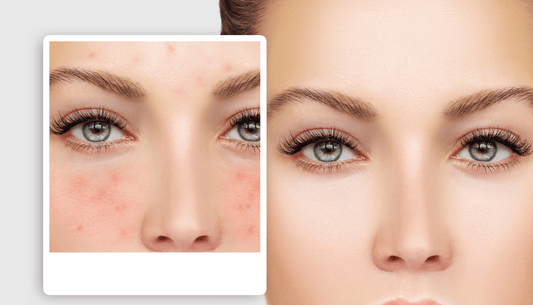
- Blue light (or blue+red combinations) is commonly used to reduce inflammatory acne lesions over weeks of use.
- Near-infrared wavelengths penetrate deeper and are used in recovery, circulation, and deeper tissue support.
Safety & Practical Notes
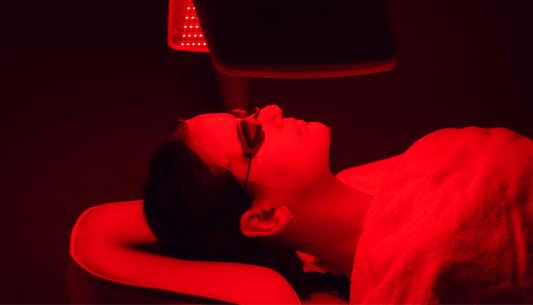
- Avoid direct eye exposure to LEDs; use provided eye protection when recommended.
- If you are pregnant, taking photosensitizing medication, or have a medical condition, consult a healthcare professional before use.
- Device output (irradiance) and cumulative dose affect outcomes—follow Lumnixa usage guidelines for best results.
Evidence-based summary: Clinical studies commonly use 10–20 minutes per session, 2–5×/week, with consistent use over 4–12 weeks to observe measurable improvements in skin tone, acne, and fine lines. Results vary by individual and device settings.
References: Selected peer-reviewed studies and systematic reviews on photobiomodulation and LED therapy. Please contact customerservice@lumnixa.com if you’d like direct citations or research links.